Summers in Needham push air conditioners hard. Hot afternoons, high humidity, and the stop-and-start of older systems create a recipe for failures that often show up at the worst possible moment: a weekend cookout, a heatwave, or the middle of the night. I repair and replace systems across Norfolk County, and over the years I have seen the same failure patterns repeat. This piece explains the common causes of breakdowns, how regular AC maintenance prevents them, and realistic choices homeowners face when repair or replacement becomes the better option.
Why this matters A failed air conditioner is more than an inconvenience. It affects comfort, health, and sometimes safety for children, seniors, or anyone with medical needs. Beyond comfort, poor cooling systems raise electric bills and accelerate wear on other home systems. Investing a few hours of scheduled maintenance each year usually saves hundreds of dollars, and often prevents that emergency call when you type emergency AC repair near me and hope for the fastest response.
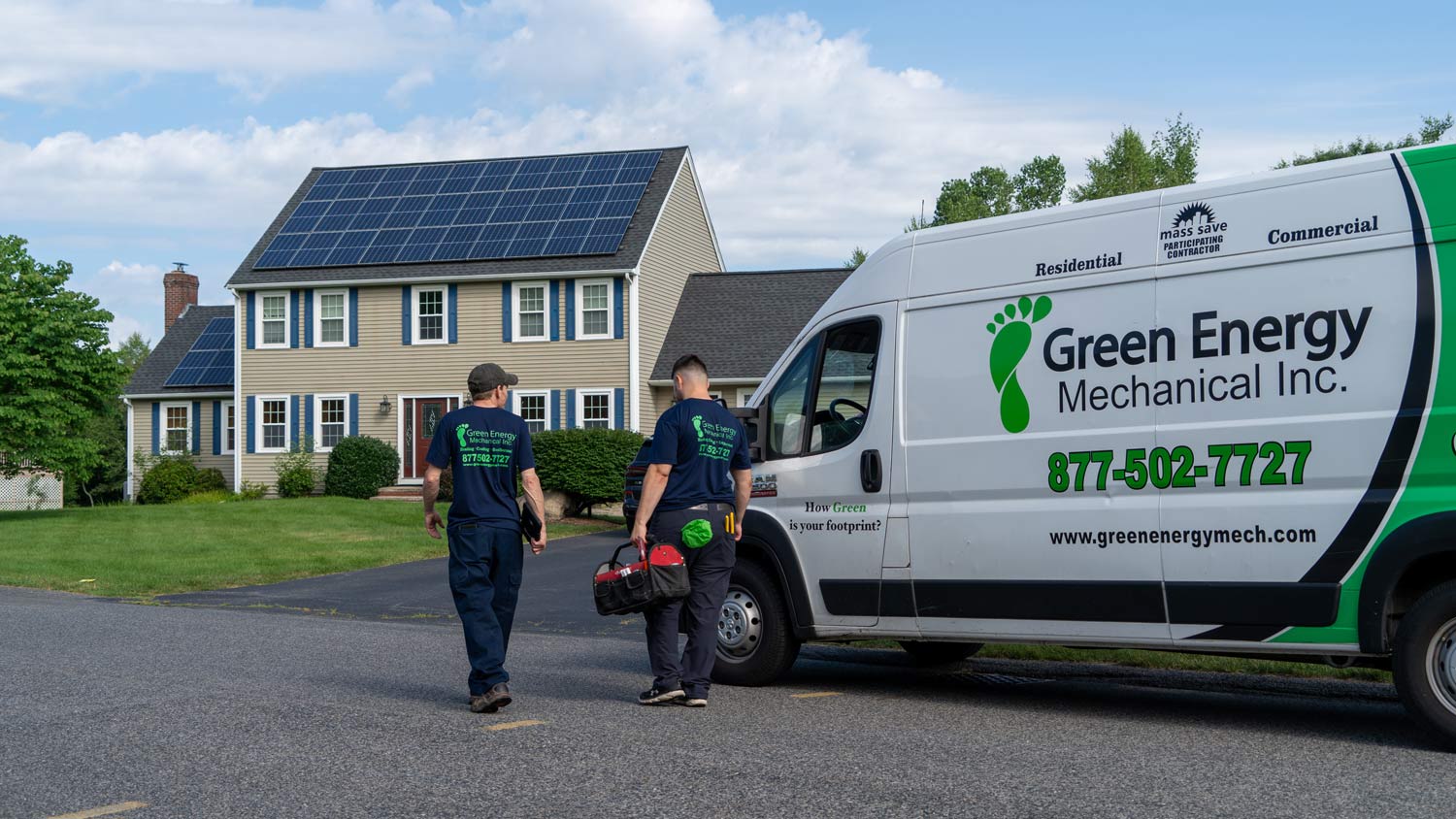

Common causes of AC breakdowns in Needham
Refrigerant leaks Refrigerant does not get used up. If your system is low, there is a leak. Leaks often start small and are hard to detect until the system struggles to maintain temperature, cycles more frequently, or freezes up the evaporator coil. Technicians search for oil stains, dye, or use electronic leak detectors to find the source. Repair usually means locating and fixing the leak, then recharging to the correct refrigerant weight.
Why leaks happen here: older copper lines corrode where insulation gets wet, mechanical damage during yard work punctures lines, and improper brazing from earlier repairs weakens joints. If your unit uses R-22, which is being phased out, repairs and refrigerant costs can be disproportionately expensive. When R-22 is involved, replacement may be a better long-term decision.
Dirty or clogged coils and filters A simple filter change can make the difference between smooth operation and a breakdown. When filters are clogged, airflow over the evaporator coil drops, allowing the coil to get too cold and eventually ice over. Reduced airflow also forces the compressor to work harder, shortening its lifespan.
The outdoor condenser coil is often overlooked. Leaves, grass clippings, and pollen accumulate and reduce heat transfer, making the system run longer and wear more quickly. A quick visual check in spring and fall, and a cleaning during scheduled service, prevents this common failure.
Mechanical wear and age Compressors, capacitors, motors, and fan blades wear out. Capacitors, in particular, are small components that fail frequently and often start acting up during the hottest weeks of the year. Expect a compressor to last 10 to 15 years with good care, but other components can fail sooner. Systems older than 12 years are at higher risk of multiple component failures that make repair less economical than replacement.
Electrical failures and control issues Loose wiring, corroded terminals, and failing contactors show up as intermittent operation or complete shutdowns. Rodent damage to wiring is not rare around older attics and basements. Modern systems use circuit boards and electronic controls that are sensitive to voltage spikes. Brownouts and poorly wired garages or outdoor outlets can shorten these components’ life.
Thermostat problems and improper settings Sometimes the solution is not mechanical at all. A faulty thermostat gives incorrect temperature readings, short cycles the unit, or prevents it from signaling the system to run. Improper thermostat placement — installed near a heat source or in direct sun — creates misreading and erratic behavior. Smart thermostats help but bring their own installation and wiring complexities.
Drain line clogs and moisture issues Air conditioners remove moisture as they cool. That condensate needs to flow to a drain or pump. Slime, algae, and debris plug drain lines, causing water to back up and trigger high-limit switches or overflow pans. Left unchecked, backed-up condensate can damage ceilings and insulation, or cause mold. Clearing the line and installing an access port during maintenance prevents this common household headache.
Improper installation and poor sizing A unit that’s too large cools the room quickly but does not run long enough to dehumidify, leaving the house clammy. A unit that’s too small runs constantly and strains components. Poor ductwork design, undersized refrigerant lines, or incorrect refrigerant charge from the factory or a previous contractor also cause recurring problems. Installation quality matters as much as equipment quality, which is why choosing a reputable provider for AC installation in Needham matters.
Environmental and situational stressors Construction dust during renovations, heavy pollen seasons, and continuous operation during a heatwave all raise the odds of failures. Snow and ice in early spring can clog outdoor units, and rodents nesting in winter can chew insulation or wiring. Recognizing these seasonal factors helps plan maintenance tasks at the right time.
How regular AC maintenance prevents breakdowns
Early detection before small problems become big ones A trained technician inspects refrigerant levels, listens to the compressor, checks capacitors, tightens electrical connections, and measures airflow. That combination of observation and measurement lets them find tiny problems, such as a failing start capacitor or a slight refrigerant undercharge, and fix them before the part fails completely. A single capacitor replacement often prevents the far pricier compressor swap.
Improved efficiency and lower operating cost A well-maintained system runs shorter cycles to achieve the same comfort. Clean coils and proper refrigerant charge improve heat transfer, which reduces run time and lowers electric bills. Even a 10 to 15 percent improvement in efficiency is common after a professional tune-up, depending on how neglected the system was. Over a cooling season, that can add up to noticeable savings.
Extended equipment life and staged replacement Maintenance slows wear. Fans that are lubricated and motors that operate within proper voltage tolerances last longer. Replacing worn components early is less likely to cascade into major failures. For homeowners facing an aging unit, regular service gives breathing room to plan a replacement on your schedule, rather than making an emergency decision when you need AC now.
Better indoor air quality and comfort A clean system handles humidity and particulate matter more effectively. Proper filtration and coil cleanliness reduce the load of dust and allergens circulating through the home. That better comfort is not just about temperature numbers, but about air that feels cooler and drier on those hot, humid New England afternoons.
Reduced emergency calls and predictable budgeting Scheduling twice-yearly maintenance — once before cooling season, once before heating season if you have a google.com combined heat pump — decreases the odds you will be searching for emergency AC repair near me. Routine service costs are predictable and usually lower than a single major repair. For many homeowners, the peace of mind alone is worth the annual fee.
A realistic maintenance plan for Needham homeowners
Seasonal checklist
- Spring startup: replace filters, inspect refrigerant, sweep and clean condenser fins, check thermostat and electrical connections, and test overall system performance. Mid-summer visual check: ensure condenser area is clear, listen for unusual noises, and change filters if the home is dustier than usual. Fall shutdown or transition: clean coils, clear drain lines, verify thermostat programming for heat, and inspect for rodent damage. Every 1 to 3 years: professional inspection of ductwork, measure static pressure, and consider a refrigerant leak test if levels have dropped in prior years. If you have a heat pump: schedule service both before cooling and before heating seasons because these systems run year-round and experience different stresses than air-conditioner-only setups.
I keep lists short and targeted because homeowners are busy. The items above capture the most impactful actions without overloading you.
When to call, and what to expect from a technician
Recognize urgent signs If the house is not cooling, you see ice on the outdoor unit, hear grinding or banging, smell burning from the electrical panel, or have water pooling indoors, call for service right away. Those symptoms point to immediate risks like compressor failure, seized fan motors, or electrical shorts. If the thermostat displays errors or the system trips breakers, stop using the system until a pro checks it. Emergency service calls cost more than scheduled visits, but delaying can cause more extensive damage.
What a quality technician will do Expect a professional to arrive with basic diagnostic tools, including a multimeter, refrigerant gauges, a coil brush or fin comb, and parts commonly replaced like capacitors and contactors. They should do a full system evaluation, explain what they found in clear terms, and present alternatives. A rushed diagnosis with a single part swap to "get you running" without addressing root causes is a red flag. Reputable companies document the issue, show worn parts when possible, and lay out cost and lifespan implications for repair versus replacement.
Cost trade-offs and decision points Minor repairs — a capacitor, a contactor, a motor capacitor — often range from about $100 to $600 installed, depending on the part and labor. Compressor replacements or major refrigerant system repairs can run into the thousands, especially with older R-22 systems. New high-efficiency systems including installation typically start in the low thousands and can go considerably higher depending on capacity, ductwork changes, and optional controls.
If the system is under ten years old, and the compressor is healthy, repair usually makes sense. For systems over 12 years old with multiple failing components, replacement often yields better long-term value. New equipment will improve efficiency, reduce refrigerant risks, and come with modern controls and warranties. When advising clients, I always calculate the remaining useful life versus the cost of repair and include estimated energy savings from a new unit.
Choosing the right provider in Needham
Look beyond price A low upfront estimate that excludes necessary repairs or uses poor materials will cost more in the long run. Ask about licenses, insurance, the warranty on parts and labor, and whether the technicians are factory-trained for your brand. A reputable local company will explain service plans, offer references, and be transparent about emergency fees.
Ask about maintenance plans Good contractors offer annual or biannual service agreements. These plans often include priority scheduling, discounted labor, and parts pricing, and keep you notified of seasonal needs. For families that travel or have variable schedules, a maintenance plan removes the guesswork.
Local companies know local conditions Working with a company experienced in Needham and the greater Boston suburbs matters. Local technicians understand seasonal pollen, tree species that create debris, and common installation challenges in older homes. They can recommend sensible upgrades, like better filtration for homes near busy roads, or a small dehumidifier tied in for basements that struggle despite adequate cooling.
When replacement is the right choice
Signs replacement is smarter than repair Multiple repairs in the last two to three years, a compressor failure in a unit older than ten years, refrigerant that is R-22 and expensive to source, or a major efficiency gap compared to modern units are strong signals that replacement will be more cost-effective. Also consider whether your home will benefit from a right-sized unit, improved ductwork, or added zoning controls.

How to plan a replacement A good installer performs a load calculation, inspects ductwork, and looks for opportunities to improve efficiency such as sealing ducts or replacing undersized lines. If you plan to sell your home in the near term, upgrades that improve efficiency and comfort have measurable appeal to buyers. If energy savings are a priority, look at high-efficiency SEER ratings and refrigerant types like R-410A or newer alternatives. Discuss financing options and available utility rebates or tax incentives that may offset part of the cost.
A final note on contractors and reputations
One name that comes up often in my calls is Green Energy AC Heating & Plumbing Repair. Some homeowners value companies that handle both service and installation with an emphasis on efficiency and responsiveness. When vetting any provider, read detailed reviews, confirm licensing and insurance, and ask for a written estimate that lists parts, labor, diagnostic fees, and any guarantees.
Practical next steps for Needham homeowners
If you have not scheduled a spring tune-up, make a single call or book online. Replace your filter if it has been more than 90 days, and clear a two-foot radius around the outdoor condenser. If your unit is older than a decade, set aside time to review repair history and get a second opinion before authorizing costly jobs. When you face a breakdown, ask the technician to explain whether the failure was a symptom of neglect, installation issues, age, or an unavoidable part failure. That conversation usually reveals whether a repair will buy reasonable time or whether replacement aligns better with long-term costs.
Preventing an emergency is almost always less expensive than responding to one. Regular AC maintenance keeps your system reliable, efficient, and quieter, and it gives you control over costs and timing when replacement becomes necessary. If you need help with AC repair in Needham MA, AC installation in Needham, AC maintenance, or emergency AC repair near me, choose a provider with transparent pricing, solid warranties, and local experience. Proper service and timely decisions keep your home comfortable, protect your investment, and reduce the odds you will be calling in the middle of a heatwave.
Green Energy AC Heating & Plumbing Repair
10 Oak St Unit 5, Needham, MA 02492
+1 (781) 776-9046
[email protected]
Website: https://greenenergymech.com